
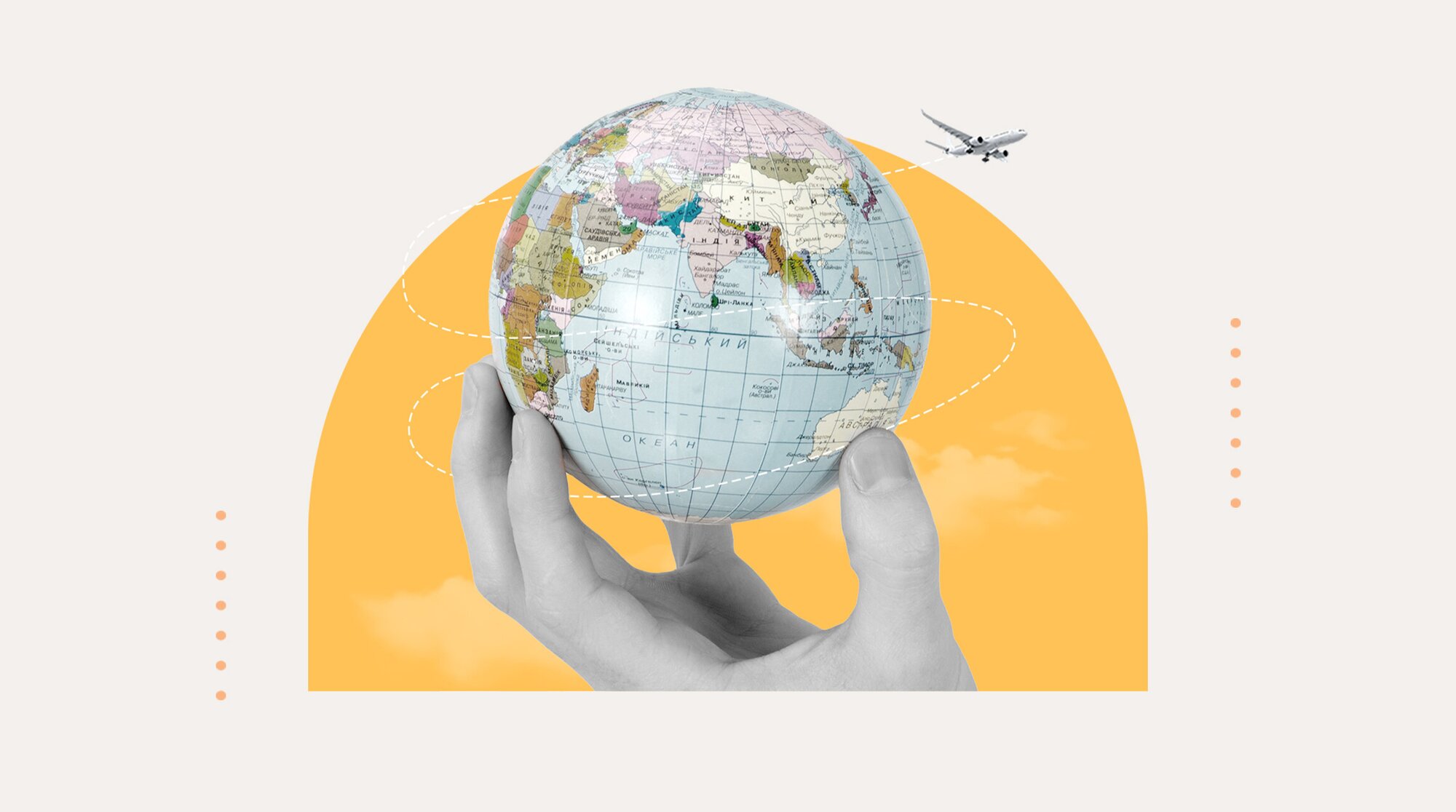
You're on a plane and the seatbelt sign flickers on. Your coffee starts to dance in its cup. The flight attendant asks everyone to remain seated with their seatbelts fastened.
If even just reading this gives you anxiety, this blog post is for you. Turbulence might feel frightening and dramatic, but it's one of aviation's most misunderstood phenomena.
Airplanes are engineered to handle forces far beyond what Mother Nature typically throws at them. And, when you think about it, it's unrealistic to expect them not to wobble a little when they're racing through the sky at 30,000+ feet.
In this blog post, we'll dig into why turbulence is completely normal, which routes have earned a reputation for being a little wobbly, and ways you can cope if you're a nervous flyer.
What Causes Turbulence?

Airplanes and in-flight procedures, such as staying seated and fastened in, are designed to safely ride out patches of turbulence / iStock / Urbazon
Turbulence happens when smooth airflow gets disrupted. You could compare it to water flowing smoothly down a stream, then hitting rocks and creating rapids.
Our atmosphere works similarly. When air masses of different temperatures, speeds or directions collide, things get choppy.
But the good news is, pilots can anticipate most kinds of turbulence using weather radar, flight forecasts, and reports from other aircraft.
What Are The Main Types of Turbulence?
Not all bumps in the sky are created equal. Understanding the different types of turbulence can help explain why one flight might feel like a rollercoaster while another is as smooth as anything.
Clear-Air Turbulence
One of the most common types of turbulence at cruising altitude is clear-air turbulence (CAT). Changes in wind speed and direction cause it, and you'll likely experience it on routes crossing jet streams, such as transatlantic flights.
While it's generally not a cause for major concern, CAT is a bit sneaky. It's invisible to radar and offers no visual warnings, such as dark skies or clouds.
But not to worry; CAT is the aviation equivalent of a pothole in the road. You might not see it, but modern aircraft can handle it with ease.
Mountain Wave Turbulence
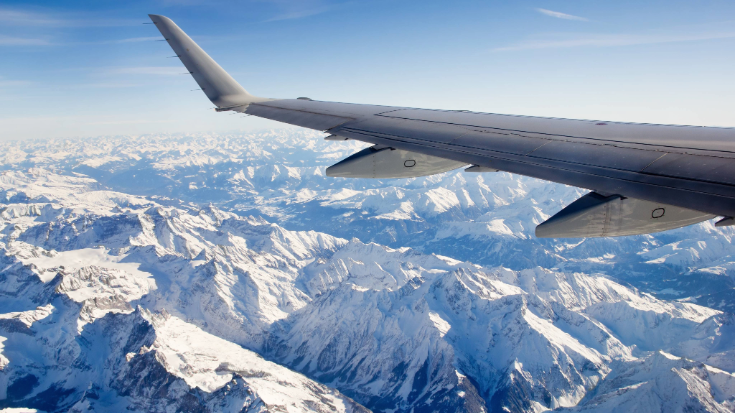
Flying over mountains can cause a specific type of turbulence, but pilots can usually predict it and make adjustments to smooth things out / iStock / SiyueSteuber
Ever wondered why flights over the Alps or Rockies can feel a little bumpier than others? When strong winds hit a mountain range, the air behaves like water flowing over rocks in a riverbed. It rises, tumbles, and ripples on the other side.
These air waves can stretch for dozens of miles beyond the mountains themselves, creating pockets of turbulence even when the peaks are far below. Pilots know exactly where these conditions tend to form and adjust altitude or their route to make the journey as smooth as possible.
So if your flight wobbles a little while crossing a mountain range, it's simply the atmosphere settling itself after meeting the terrain.
Wake Turbulence
Every aircraft disturbs the air as it moves, but large jets do it on a grand scale. Their wingtips generate powerful, invisible spirals of air known as vortices, which trail behind them.
Flying too close behind a heavy aircraft can feel a bit like cycling in a lorry’s slipstream, except this air is twisting and tumbling with more force. That's why air traffic controllers carefully space take-offs and landings, ensuring each aircraft has time for the air ahead to settle before following.
Wake turbulence is rarely noticeable for passengers. And it's another reminder of how precisely flight operations are managed to keep every journey smooth and safe.
Thermal Turbulence
When the sun heats the ground, pockets of warm air begin to rise, like bubbles in a boiling pot. These updrafts and downdrafts, known as thermals, can make the air feel uneven as aircraft pass through them.
You'll notice this most over land during hot afternoons or in desert regions where the ground heats quickly. It's also why early-morning flights tend to be smoother. The air is cooler, calmer, and hasn't yet started to stir with daytime warmth.
While thermal turbulence can make for a slightly bumpier ride, it's completely normal. It's simply the atmosphere responding to the sun's daily rhythm.
Why Some Routes Are Bumpier Than Others
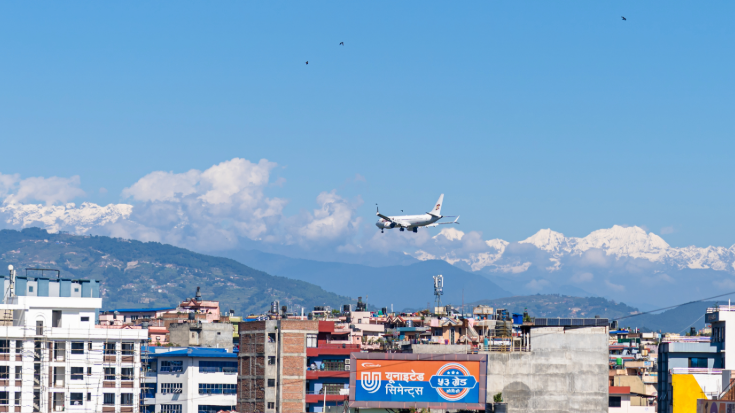
An airplane approaching Kathmandu, Nepal, a route known for bumpy skies, but one that skilled pilots handle every day / iStock / AP Tolang
Three main factors determine whether your flight will be smooth sailing or a little rockier than expected.
1. Jet Streams and Seasonal Winds
High above the Earth, narrow rivers of air called jet streams move at speeds of over 200 mph. Pilots often use them to save time and fuel, like catching a fast-moving current.
But when an aircraft enters or leaves these wind corridors, the sharp changes in speed and direction can make the ride a little uneven. Flying with a jet stream can feel bumpy, but it's efficient. And moving against it is like swimming upstream through choppy water.
2. Mountains and Coastal Terrain
When strong winds hit mountains or cliffs, the air has nowhere to go but up. It then spills and tumbles down the other side, creating mountain waves that can ripple for miles, even over flat terrain beyond the peaks.
The taller and steeper the range, the more pronounced the effect. That's why the Alps, Andes, Rockies, and Himalayas are known for their lively skies.
3. Weather Fronts and Air Mass Boundaries
Turbulence often forms where different air masses collide. For instance, where warm, humid air meets a cold front. These boundaries can appear suddenly, turning a calm stretch of air into a brief patch of bumps, then back to smooth again just as quickly.
It's one reason the ride can change so noticeably within minutes on a long flight.
The World's Most Turbulent Flight Routes (And Why You Shouldn't Worry About Them)
Let's take a tour of the world's shakiest routes. Remember, millions of passengers fly these routes safely every year without incident.
London to Zurich (Alpine Mountain Waves)
This popular business route takes you directly over the Alps. This is where mountain wave turbulence lurks like an invisible speed bump. Winter flights can be particularly lively as stronger winds create more dramatic wave effect
The descent into Zurich often provides the grand finale, albeit brief. Pilots flying this route know exactly what to expect. They'll typically climb higher to avoid the worst of the mountain waves or request routing around the most active areas. Your tray table might rattle, but you'll arrive safe and sound.
Dublin to Lanzarote (Atlantic Crosswinds)
Strong Atlantic winds create crosswinds that make approaches to airports like Lanzarote lively. Add winter jet streams to the mix, and you've got a recipe for a bumpy ride. But pilots flying into the Canaries are masters of crosswind landings.
They train specifically for these conditions. What feels dramatic to passengers is routine for the flight crew.
Los Angeles to Honolulu (Pacific Trade Winds)
This five-hour Pacific crossing takes you through some of the world's most consistent trade winds. As you approach the Hawaiian islands, mountain ranges funnel and accelerate these winds. This creates turbulence that can turn your peaceful Pacific flight into a bit of a rollercoaster.
The saving grace? Trade winds are predictable. Pilots know when and where to expect bumps. And Hawaiian airports are designed with these conditions in mind. Plus, you're flying to Hawaii; a bit of turbulence is a small price to pay for paradise.
Tokyo to Osaka (Japanese Jet Streams)
Don't let the short distance fool you. This domestic Japanese route packs plenty of punch. Flying over Honshu's mountains while navigating Asia's strongest jet streams makes for a bumpy hour. The mountain wave turbulence and high-altitude wind shear create super shaky conditions.
Japanese pilots are among the world's most skilled at handling turbulent conditions. They deal with everything from jet streams to typhoons, making them experts at keeping flights safe.
Santiago to La Paz (Andes Updrafts)
Flying over the Andes to reach Bolivia's sky-high capital can be rough. The thin air at altitude means less lift for aircraft wings. Strong mountain updrafts create turbulence all the way to La Paz’s notoriously tricky airport.
This route requires specially trained pilots and aircraft certified for high-altitude operations. The bumps are part of the package when flying to one of the world's highest capital cities.
Kathmandu to Lukla (Himalayan Wind Shear)
The legendary flight to Everest Base Camp's gateway airport is short, spectacular and famously bumpy. Unpredictable Himalayan winds and mountain waves create conditions that make this 45-minute flight feel like an adventure ride.
Only specially qualified pilots fly this route, and they're experts at reading mountain weather conditions. The bumps are intense but brief. And the views of the Himalayas make it worthwhile.
Hong Kong to Taipei: Typhoon Alley Gusts
One of East Asia's busiest routes cuts straight through what pilots call "Typhoon Alley." Even outside of typhoon season, this route encounters crosswinds and sudden turbulence that can make approaches to both Hong Kong and Taipei interesting experiences.
Both airports are built to handle challenging weather conditions. Pilots flying this route are trained extensively in adverse weather operations. The bumps might be frequent, but safety standards remain sky-high.
São Paulo to Santiago: Andes Crossing
Another South American Andes-crosser, this time from Brazil to Chile. This route takes you over some of the world's most dramatic mountain terrain. Flying into Santiago means navigating mountain waves, shifting winds and the occasional bit of wake turbulence.
Chilean pilots know their local conditions intimately. Santiago's airport sits in a valley, and landing there requires specific training in mountain flying techniques.
Johannesburg to Cape Town: Cape Doctor Winds
South Africa's notorious "Cape Doctor" wind earned its name for blowing away Cape Town's pollution. But it also makes aircraft landings bouncy. These powerful winds whip across the Western Cape, creating sharp but short-lived turbulence on descent into Cape Town International.
The Cape Doctor is predictable and seasonal. Pilots adjust their approach techniques accordingly. And while the bumps can be sharp, they're typically brief.
London to New York (North Atlantic Jet Stream)
The classic transatlantic route crosses some of the world's strongest jet streams. Clear Air Turbulence is most intense here during winter months, particularly on westbound flights when planes fly directly into the jet stream headwinds. This is one of the world's most frequently flown routes. Hundreds of flights cross daily. Pilots have decades of experience managing North Atlantic conditions, and modern aircraft are specifically designed to handle jet stream turbulence.
Dubai to Mumbai (Desert Thermals and Monsoon Weather)
Desert heat on departure creates thermal turbulence around Dubai, while monsoon weather systems near Mumbai can make approaches lively during certain seasons. The combination of desert thermals and tropical weather systems creates a unique double challenge.
Both Dubai and Mumbai airports handle extreme weather regularly. Pilots flying Middle East to India routes are trained for everything from sandstorms to monsoons.
Why You Shouldn't Worry About Turbulence
Here's the long and short of it: turbulence feels scary because it's unpredictable and out of our control. Here are some logical points to think over in those moments of doubt.
Turbulence Is Normal
Turbulence is as normal to aviation as waves are to sailing. It's uncomfortable, sometimes startling, but rarely dangerous. Planes are built to handle far worse conditions than turbulence typically provides. And pilots are trained extensively to manage these situations.
The world's most turbulent flight routes exist due to geography, weather patterns, and the laws of physics. Not because they're inherently unsafe. Millions of passengers fly these routes annually without incident.
Aircraft Are Built for Far More Than Turbulence Delivers
Modern aircraft undergo vigorous stress testing. Wings are bent to extremes that far exceed anything turbulence can produce. The Boeing 787's wings can flex upward by 26 feet without damage. The worst turbulence typically produces forces less than half of what the aircraft is designed to handle.
Pilots Know the Hotspots and Plan for Them
Turbulence isn't a surprise to flight crews. They use sophisticated weather radar, receive real-time reports from other aircraft, and have detailed knowledge of seasonal patterns.
Pilots routinely change altitude or routing to avoid the worst conditions. When they can't avoid turbulence entirely, they slow down to turbulence penetration speed. This minimises stress on the aircraft and its passengers.
Your Seatbelt Is Your Safety Net
The biggest turbulence-related risk isn't structural damage to the aircraft. It's passengers getting injured by not wearing seatbelts. Turbulence injuries are almost always preventable by passengers staying strapped in when flight crews instruct them to.
How to Cope If You're a Nervous Flyer
If turbulence still makes you nervous, here are some practical strategies to help you through rough spots in the journey.
- Sit over the wings where the aircraft's centre of gravity reduces movement. It's like being in the middle of a seesaw, rather than at the ends.
- Choose early morning flights when the air is typically calmer. Thermal turbulence builds throughout the day as the sun heats the ground.
- Limit caffeine and alcohol before flying. Both can increase anxiety and make turbulence feel worse than it is.
- Use distractions like music, puzzles, podcasts, films or conversation. Engaging your mind reduces focus on physical sensations.
- Consider a nervous flyer course, such as easyJet's Fearless Flyer programme. Being walked through what's happening around you by professionals can significantly reduce anxiety.
Finally, preparation is key to staying calm. Prepare yourself mentally with practical information, read up on aviation safety and the systems designed to keep flights safe. Check your specific route's turbulence likelihood using websites like Turbli.com, which provides forecasts based on weather patterns.
You don't need to cancel your dream trip because of a few bumps along the way. Whether you're heading to the Alps, crossing the Pacific, or flying over the Andes, modern aviation has turbulence well and truly factored into your journey.
Stay Connected for Extra Peace of Mind
One thing that can help reduce travel stress is staying connected. There's something reassuring about being able to message home as soon as you land or check your onward connections without hunting for airport Wi-Fi.
That's where travel eSIMs come in handy. Unlike traditional SIM cards, eSIMs activate digitally, meaning you can stay connected from the moment you land. Whether you're flying one of the world's bumpiest routes or enjoying smooth skies, having reliable connectivity means one less thing to worry about.
The best eSIMs for travel offer global coverage. So whether your turbulent route takes you to the Alps, across the Pacific, or over the Andes, you'll have connectivity sorted before you even board. The best global eSIMs activate instantly, work across multiple countries, and don't require swapping physical SIM cards.
Because sometimes, the most turbulent part of travel isn't the flight. It's trying to get online at your destination.
Visit Airalo for local, regional and global eSIMs to help you stay connected in over 200 countries and regions worldwide.


